
Plant and Animal DNA Extraction

Generate high-quality genomic DNA from plant and animal samples using scalable DNA extraction and nucleic acid purification workflows, including magnetic bead-based extraction and solution-based chemistries. Designed for high-throughput agrigenomics applications, our portfolio supports consistent DNA isolation from a range of sample types while enabling efficient downstream genotyping and sequencing.

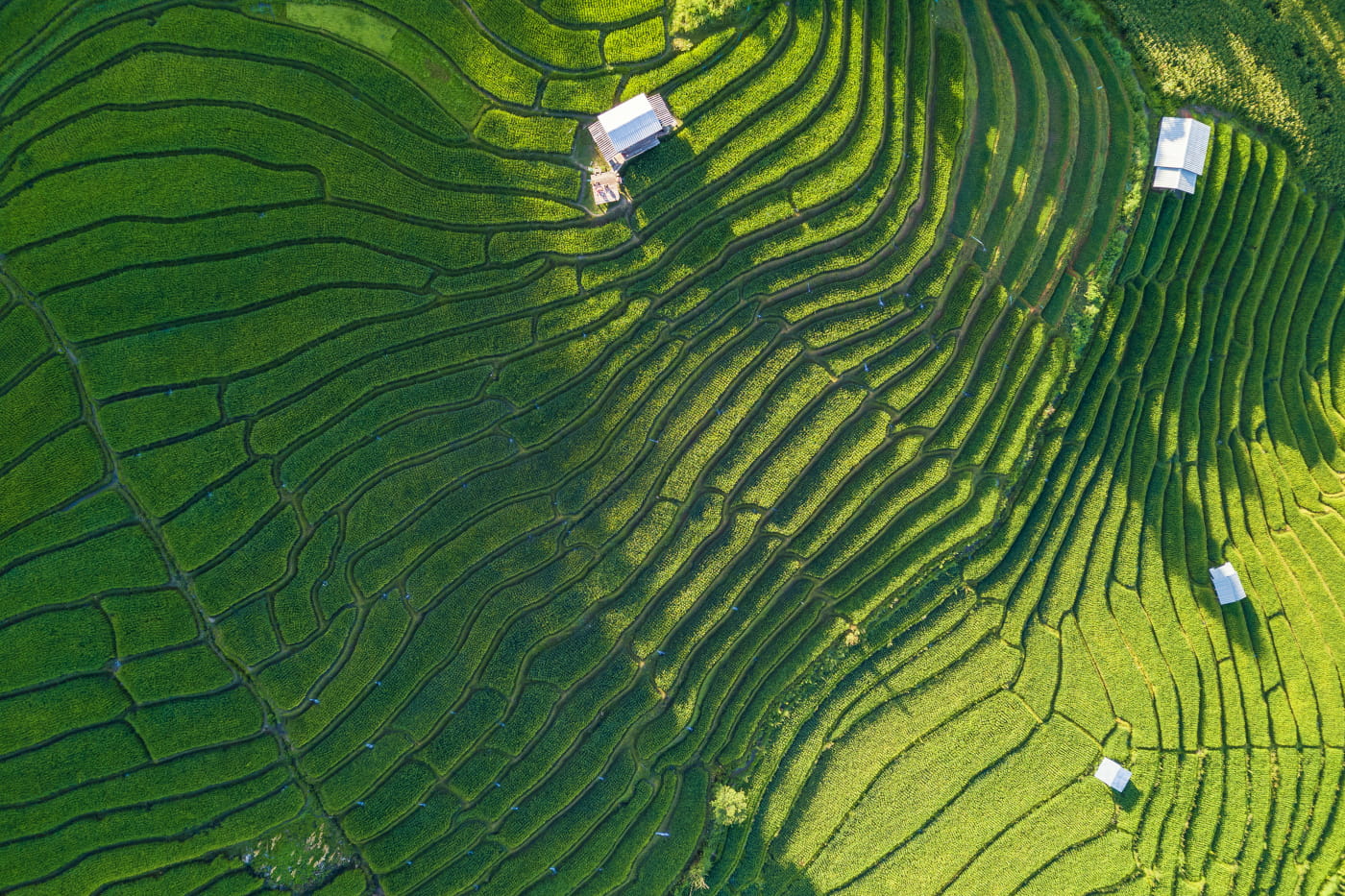
Plant-derived biological samples supporting DNA extraction and molecular analysis workflows.

Plant and animal DNA extraction for agrigenomics workflows

Generating genomic DNA for downstream molecular analysis

Plant and animal DNA extraction is the process of isolating genomic DNA from biological samples for downstream genotyping, PCR and sequencing applications.

High-quality DNA is essential for reliable molecular analysis. DNA yield, purity and consistency can directly influence the performance of genotyping and sequencing workflows.

Agrigenomics laboratories extract DNA from plant tissue, leaf discs, seeds, seed chips, blood, buccal swabs and FTA cards, requiring scalable workflows that support inhibitor removal, reproducibility and high-throughput processing.
Challenges in high-throughput plant and animal
DNA extraction

Agrigenomics laboratories must balance throughput, DNA quality, automation and reproducibility across a wide range of plant and animal sample types.

Scaling extraction throughput

Breeding programmes and testing laboratories often need to process large sample volumes while maintaining operational efficiency, reproducibility and turnaround times.

Managing difficult sample types

Plant tissue can contain polysaccharides, polyphenols and other compounds that make plant DNA isolation more challenging and can interfere with downstream molecular analysis.

Achieving consistent DNA quality

Variability in DNA yield, purity and integrity may affect genotyping accuracy and sequencing performance across large sample collections.

Reducing manual workflow bottlenecks

Traditional DNA isolation methods can require significant hands-on time, limiting throughput and increasing operational complexity.

Supporting automation and standardisation

Laboratories require extraction workflows that integrate efficiently into automated environments while maintaining consistency across operators and sites.

Delivering DNA suitable for downstream applications

Extracted DNA must meet quality requirements for PCR, KASP genotyping and NGS workflows.

Supporting scalable DNA extraction across agrigenomics programmes

DNA extraction workflows must deliver consistent DNA quality, high throughput and operational efficiency to support modern agrigenomics programmes. Our solutions are designed to help laboratories scale extraction processes while maintaining reproducibility and compatibility with downstream genotyping and sequencing applications.

Who we support

Agrigenomics laboratories, breeding organisations, genomics researchers, testing laboratories and facilities processing plant and animal samples for downstream molecular analysis.

What they need

Scaling DNA extraction from hundreds to thousands of samples per day, managing difficult sample types, reducing workflow bottlenecks and generating consistent, PCR-ready DNA for breeding and testing programmes.

DNA extraction within integrated agrigenomics workflows

Applications

DNA extraction provides the foundation for downstream PCR, KASP™ genotyping, sequencing and genomic selection workflows used throughout plant and animal breeding programmes, agrigenomics research and molecular testing applications.

Technologies

Different extraction chemistries can be matched to specific sample types, throughput requirements and downstream applications. The resulting nucleic acids support PCR, KASP™ genotyping, NGS and GBS workflows across a wide range of agrigenomics programmes.

Industries

See how LGC supports agrigenomics laboratories, breeding organisations, testing facilities and genomics researchers.

Industries

Guiding Réunion harrier conservation with population genomics

Human activity is driving sharp reductions in the population sizes of many species worldwide. These anthropogenic bottlenecks erode genetic diversity and are contributing to what many scientists now describe as a mass extinction event. 1

Read More

Why organisations choose LGC

Supporting reliable DNA extraction at scale

Agrigenomics expertise

Supporting plant and animal genomics programmes with scientific and technical knowledge across the breeding workflow.

End-to-end workflow support

Connecting DNA extraction, genotyping and sequencing solutions within a single ecosystem, supported by scientific consultation, workflow optimisation and customised solutions designed around individual laboratory requirements and throughput goals.

Quality and consistency

Helping laboratories achieve reliable DNA extraction and reproducible downstream performance.

Freshly harvested carrot samples used in plant genomics research, DNA extraction and crop breeding applications.

Genotyping Solutions Brochure 

Explore resources

View case studies

Customer base

37,000+

Customers supported worldwide

Global reach

144+

Countries served worldwide

Frequently asked questions

What does DNA extraction cost per sample at scale?

Cost depends on sample type, throughput requirements, automation level and programme size. Contact us to discuss your workflow and pricing requirements.

Which sample types are supported?

Supported sample types include plant tissue, leaf discs, seed, seed chips, blood, buccal swabs, FTA cards and animal tissue.

How do you handle polysaccharide- and polyphenol-rich tissue?

Extraction workflows are designed to support effective inhibitor removal and generate DNA suitable for downstream molecular applications.

Magnetic beads or columns: which should I choose?

Magnetic bead extraction is often preferred for high-throughput and automated workflows because it scales efficiently and integrates readily with automation platforms.

Is it compatible with my liquid handler?

Workflow compatibility depends on your instrumentation and laboratory requirements. Our team can help assess suitable automation options.

What throughput can I achieve per day?

Throughput varies according to workflow design, sample type and level of automation. Support is available for both 96-well and 384-well processing formats.

What DNA yield and purity should I expect?

Yield and purity vary by sample type and workflow. DNA quality is typically assessed using concentration measurements and A260/A280 ratios.

Is the DNA suitable for KASP™ genotyping and NGS?

Yes. High-quality genomic DNA supports downstream genotyping, PCR and sequencing applications.

Do you supply in 384-well format?

Selected workflows support 384-well processing for laboratories requiring high-throughput operation.

How is DNA quality assessed following extraction?

DNA quality is typically evaluated using concentration, purity and integrity measurements. Common metrics include A260/A280 and A260/A230 absorbance ratios, alongside fluorometric quantification and integrity assessment where required. The appropriate quality specifications depend on the downstream application, including PCR, KASP™ genotyping and NGS workflows.

Talk to our DNA extraction specialists

Whether you are evaluating sbeadex™, sbeadex Lightning™, QuickExtract™ or MasterPure™ solutions, implementing high-throughput DNA extraction workflows or exploring automation opportunities, our team can help identify and customise the right workflow for your laboratory, sample type and downstream application requirements.