NGS workflows transform DNA or RNA samples into sequencing-ready libraries through sample preparation, library construction, cleanup, sequencing and quality control. Workflow performance depends on the effective integration of reagents, oligonucleotides, sequencing technologies and reference materials that support data quality and reproducibility. LGC provides products and services across multiple stages of the NGS workflow, including sample preparation, library preparation, cleanup and size selection, sequencing and assay validation.

Understanding the NGS workflow
Expertise across sample preparation, library preparation, sequencing and workflow quality control.
Who uses NGS workflows?
Molecular biologists
Genomics scientists
NGS laboratory teams
Sequencing core facilities
Assay development teams
Clinical genomics laboratories
Translational research groups
Academic sequencing centres
Biopharmaceutical research teams
Procurement professionals sourcing NGS consumables
The end-to-end NGS workflow
Successful NGS workflows rely on high-quality sample preparation, robust library construction, efficient purification, reliable sequencing and appropriate quality controls. LGC supports multiple stages of the workflow through products, services and reference materials designed to improve workflow performance and data confidence.
Sample preparation
Extract and assess DNA or RNA to ensure suitability for downstream sequencing workflows. Sample quality directly influences library complexity, sequencing performance and data quality.
Supported by:DNA and RNA extraction kits, automated purification systems and extraction services
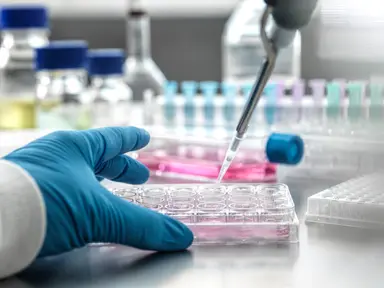
Library preparation
Convert nucleic acids into sequencing-ready libraries through workflow-specific processes such as fragmentation, tagmentation, adapter incorporation and amplification. Consistent library preparation supports reliable sequencing results.
Supported by:NxGrade™ Custom Oligonucleotides, NxSeq™ library preparation kits, sequencing enzymes and master mixes

Cleanup and size selection
Remove reaction components, primer dimers and unwanted fragments while enriching libraries within the desired size range. Effective cleanup and size selection can improve sequencing efficiency and downstream data quality.
Supported by:sbeadex™ magnetic bead technologies for sequencing cleanup and size selection workflows
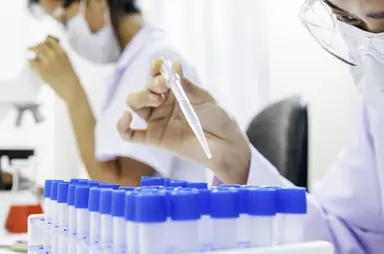
Sequencing
Generate high-quality sequencing data using targeted or whole-genome sequencing approaches appropriate for the application. Workflow selection depends on factors including marker density, throughput and study objectives.
Supported by:Amp-Seq One, Flex-Seq®, Capture-Seq, genotyping-by-sequencing (GBS) services and sequencing services

Validation and quality control
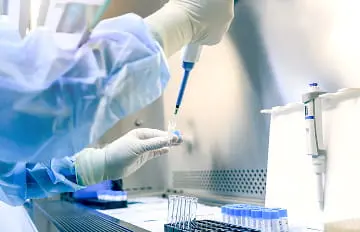
Evaluate workflow performance, verify expected variants and monitor assay consistency to support confidence in sequencing results. Reference materials play an important role during assay development, validation and ongoing quality monitoring.
Supported by:Seraseq® NGS Reference Materials


Applications and technologies related to the NGS workflow
Applications
Applications supported by sequencing workflows, including oncology research, germline analysis, reproductive health testing and infectious disease investigations.
Technologies
The molecular technologies that support next generation sequencing workflows, from custom oligonucleotide synthesis to sequencing library preparation, indexing and sequencing.

Featured Resources
Featured Resources


How to deliver cost-effective synthesis at sub-nanomole scale for NGS
Controlled pore glass (CPG) has been a workhorse of solid ‑ phase oligonucleotide synthesis for decades. Its rigid, highly porous structure provides sites to anchor the first nucleoside and allows reagents to diffuse through a network of pores, producing high ‑ quality DNA and RNA sequences. However, modern demands from techniques like next ‑ generation sequencing (NGS) and screening for…
Supporting your NGS workflow with LGC
Products, services and scientific expertise supporting sample preparation, library preparation, sequencing and workflow efficiency.

Global reach
144
Countries served through our global diagnostics and genomics network.
Product portfolio
11,000+
Products supporting diagnostics, genomics and life science workflows.
Frequently asked questions
What is an NGS workflow?
An NGS workflow describes the sequence of steps required to generate sequencing libraries, perform library cleanup and quality assessment, sequence nucleic acids and analyse resulting sequence data.
What is NGS library preparation?
NGS library preparation is the process of converting nucleic acid samples into sequencing-ready libraries through the addition of workflow-specific oligonucleotide components such as primers and adapters.
What are indexing primers?
Indexing primers are oligonucleotides used to assign unique identifiers to sequencing libraries, enabling sample multiplexing and identification during sequencing.
Can NGS primers and adapters be customised?
Yes. Custom oligonucleotides are available in a range of formats, modifications and delivery options to support specific workflow requirements.
What affects sequencing library quality?
Library quality can be influenced by sample quality, oligonucleotide purity, contamination control measures and the performance of adapters and indexing primers used during library preparation.
How does multiplexing work?
Multiplexing enables multiple sequencing libraries to be combined within a single sequencing run through the use of unique indexes that distinguish individual samples.
How can LGC support an NGS workflow?
LGC supports NGS workflows through sample preparation solutions, library preparation reagents, NGS-grade oligonucleotides, sequencing technologies, sequencing services and reference materials for workflow validation and quality control.
What is the difference between indexing primers and sequencing adapters?
Sequencing adapters are oligonucleotide sequences incorporated into library fragments to enable sequencing, while indexing primers introduce unique identifiers that allow multiple libraries to be pooled and distinguished during multiplexed sequencing workflows.
What causes index misassignment in NGS?
Index misassignment can occur when sequencing reads are incorrectly attributed to the wrong sample. Potential contributors include barcode crosstalk, index hopping and oligonucleotide cross-contamination. Careful index design and contamination-controlled manufacturing processes can help reduce these risks in multiplexed sequencing workflows.
What are unique dual indexes (UDI)?
Unique dual indexes (UDI) are NGS indexing strategies that use a unique pair of index sequences for each sequencing library. By assigning a distinct index combination to every sample, UDIs help reduce index misassignment, index hopping and barcode crosstalk, supporting more accurate sample identification in multiplexed sequencing workflows.

Discuss your NGS workflow
Whether you are developing a new sequencing workflow, implementing multiplexed sequencing, optimising library preparation or validating assay performance, our scientific team can help identify the appropriate products, services and workflow solutions for your application.